
Understanding the Biological Root Causes of Dark Spots
Unlike standard sunspots or freckles that appear after a weekend beach trip, melasma is a chronic, deeply rooted dermatological condition. Many individuals find themselves locked in a frustrating cycle where their facial dark patches fade during treatment, only to return unexpectedly a few months later.
To break this cycle, you must look beyond the surface of your skin. Identifying your personal melasma triggers is essential for maintaining a clear, luminous, and evenly balanced complexion over the long term.
Get a free consultation from our doctors for effective melasma treatment.
Melasma is frequently referred to as the “mask of pregnancy,” and for a very good biological reason. Internal hormonal shifts are the leading internal catalysts for this condition.
High levels of estrogen and progesterone actively stimulate the melanocyte-stimulating hormone (MSH) receptors located on your pigment-producing cells. When these receptors are turned on, your cells pump out melanin at an abnormal, hyperactive rate.
While hormones prime your cells to produce pigment, external environmental factors act as the ignition switch.
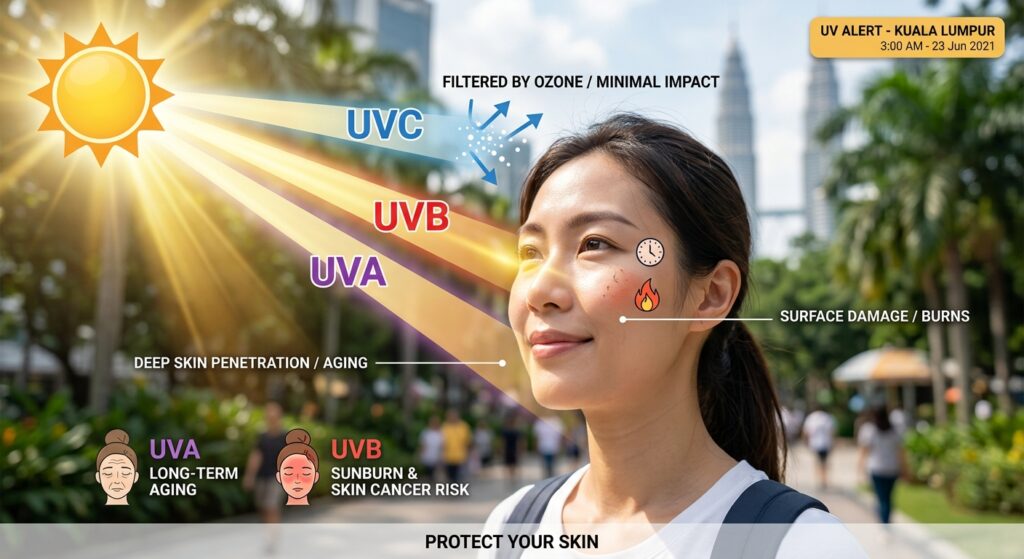
Living in a tropical environment means our skin is bombarded daily by high levels of Ultraviolet A (UVA) and Ultraviolet B (UVB) rays. UVA rays penetrate deeply into the dermis, generating destructive free radicals that damage cell membranes and structural collagen.
Furthermore, recent clinical studies show that High-Energy Visible (HEV) light—commonly known as blue light from smartphones, laptops, and LED screens—as well as infrared heat (from cooking or saunas) can also cause melanocytes to overproduce pigment.
Because this condition is so tightly linked to your internal biology and external environment, managing it requires a comprehensive, dual-action approach.
Alongside using legal, medical-grade topical tyrosinase inhibitors and wearing daily sun protection, undergoing a targeted clinical protocol is the fastest way to shut down overactive cellular pathways. Combining laser technology with dermal barrier repair is highly recommended to clear deep-seated pigments safely. Discover the most advanced options available today in our expert review of medical
@draidilidealyst Petua Hilang Jeragat @Dr Aidil Idealyst Clinic #fyp #skincare #creatorsearchinsight #melasma ♬ original sound - Doc Ideal
For some fortunate individuals, hormonal pigmentation can fade gradually a few months after delivery or after discontinuing oral contraceptives. However, for many, the pigment cells remain permanently hyperactive and require clinical intervention to clear completely.
Yes. Intense thermal heat causes local blood vessels in the skin to dilate and inflame, which directly stimulates surrounding melanocytes to produce more dark pigment, even if you are cooking indoors away from direct sunlight.